
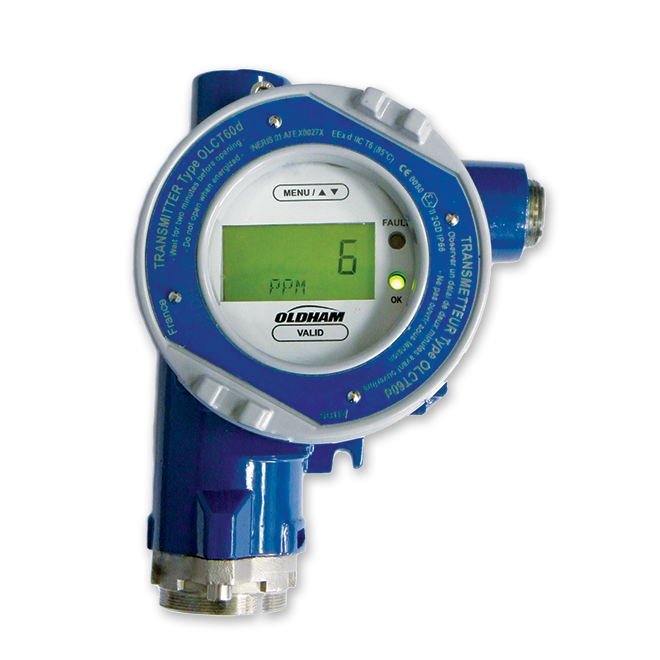
Oxygen & Toxic Gas Detectors
Oxygen detectors, also known as oxygen monitors or oxygen deficiency monitors, are used to measure the concentration of oxygen in the air. They are particularly important in environments where oxygen levels may be reduced, such as confined spaces, industrial processes involving inert gases, or areas with potential for oxygen displacement due to chemical reactions or leaks. Oxygen detectors typically provide continuous monitoring and can trigger alarms or alerts when oxygen levels fall below a certain threshold, indicating an oxygen-deficient atmosphere that could be hazardous to human health or support combustion.
Toxic gas detectors, on the other hand, are designed to detect the presence of specific toxic gases in the air. These gases can vary depending on the industry or application, but some common examples include carbon monoxide (CO), hydrogen sulfide (H2S), ammonia (NH3), chlorine (Cl2), and many others.
It's important to note that the selection of the appropriate gas detector depends on the specific gases you need to monitor and the environmental conditions in which they will be used. Different gases require different sensing technologies, and factors such as temperature, humidity, and potential interference from other substances should be considered when choosing a detector. It's always recommended to consult with experts or refer to specific regulations and standards to ensure the appropriate selection and use of gas detectors for your application.
Gases: Oxygen(O2), Ammonia (NH3), Chlorine (CL2), Hydrogen, Fluoride (HF), Phosgene (COCL2), Sulphur Dioxide (SO2), Hydrogen Chloride (HCL), Methyl Chloride (CH3CL), Carbon Dioxide (CO2), and many more
Technology: Electrochemical, Semi-conductor
Approval: ATEX, IECEx, UL, CSA, SIL2, PESO